


Global event production is often defined by logistics. Flights booked. Freight shipped. Venues secured. And while those elements are essential, they’re only the starting point. The real challenge of global events isn’t movement, it’s alignment.
Alignment across cultures, stakeholders, expectations, and environments often happens simultaneously, and the best global event producers don’t just move events across borders.
They ensure those events work everywhere they land.
What Is Global Event Production?
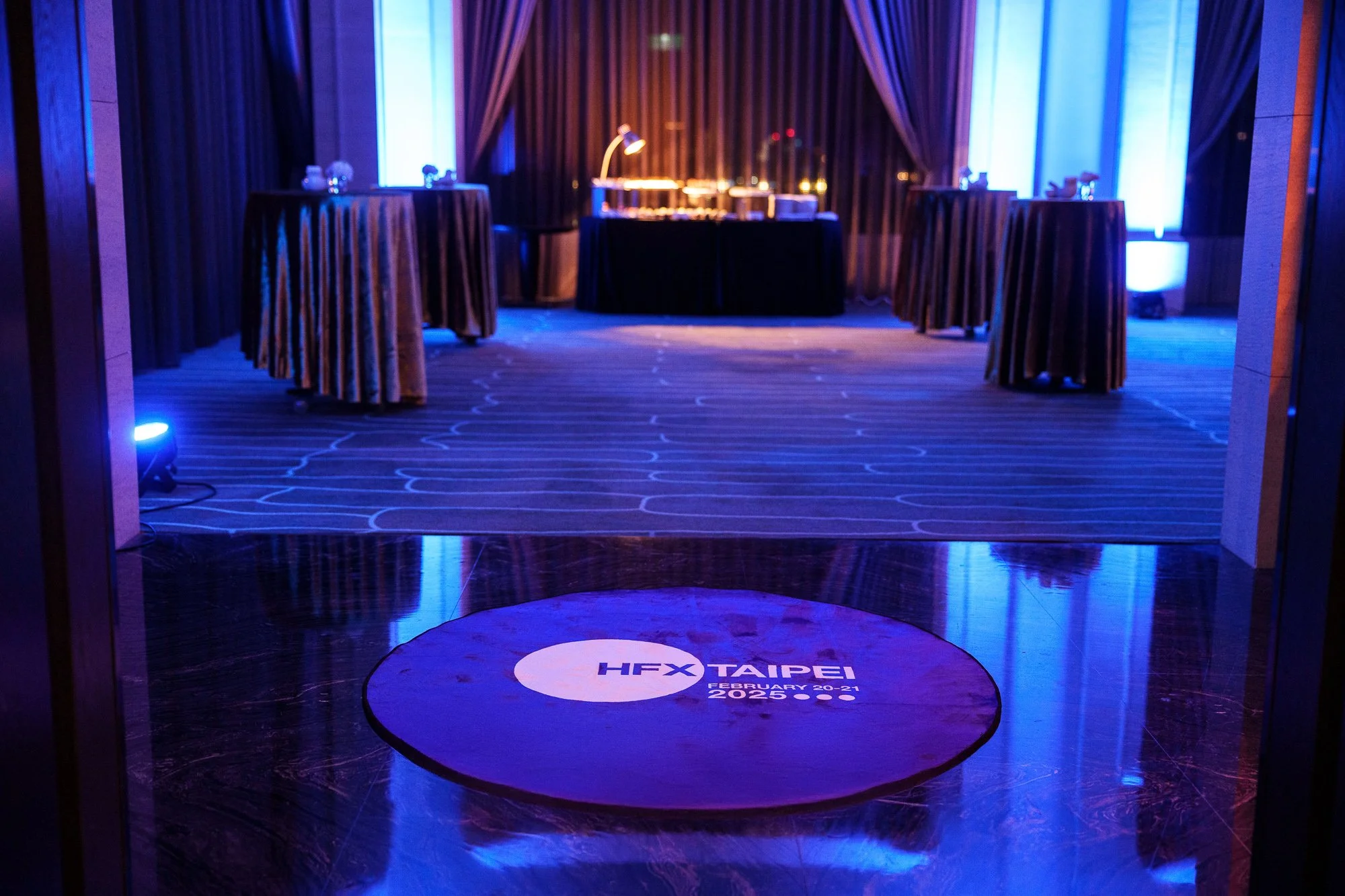
Global event production is the process of planning and executing events across multiple countries while maintaining consistency, cultural relevance, and operational precision.
This includes:
- international logistics and transportation
- venue and vendor coordination across regions
- staffing and team alignment
- regulatory and compliance considerations
- experience design that translates globally
But defining it this way undersells the reality. Because logistics alone don’t create successful global events.
Why Logistics Alone Isn’t Enough
Logistics ensure that an event happens; however, they do not ensure that it succeeds.
Two events can be identical in structure, staging, program, and format, yet deliver completely different outcomes depending on how well they align with the local environment.
Without deeper consideration, global events risk feeling:
- disconnected from their audience
- inconsistent across markets
- overly standardized or out of touch
The difference between execution and impact lies beyond logistics.
The Hidden Complexity of International Events
Global events introduce layers of complexity that don’t exist in single-market programs.
These include:
- language and communication differences
- local regulations and permitting requirements
- labor laws and union considerations
- infrastructure limitations
- varying expectations around hospitality and protocol
Even basic elements, like load-in schedules or staffing structures, can vary significantly from one country to another. What works seamlessly in one market may not translate at all in another.
Cultural Intelligence and Local Nuance
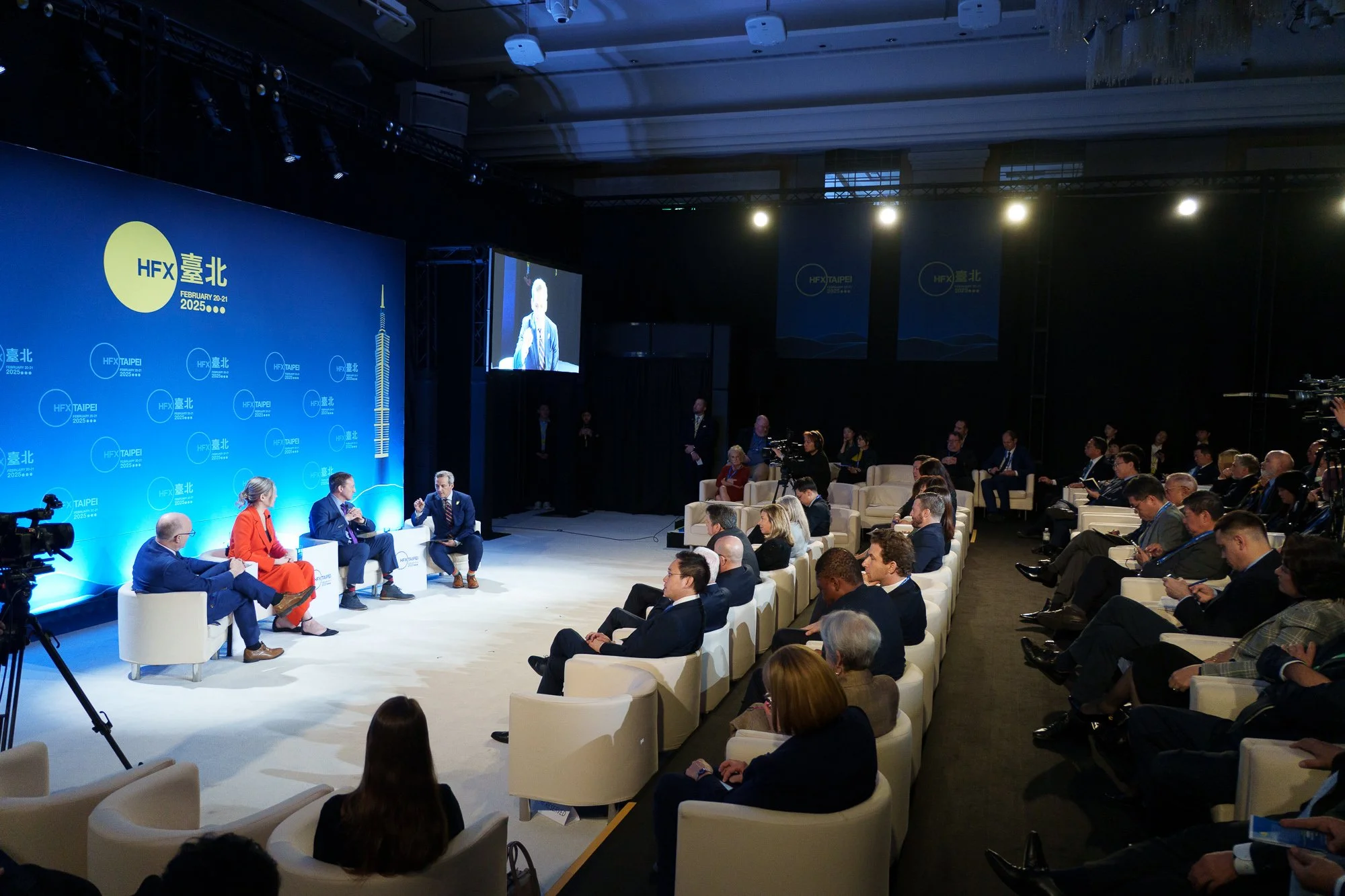
Perhaps the most overlooked aspect of global event production is cultural intelligence. Remember that events are not experienced in a vacuum; they are interpreted through cultural context.
This impacts:
- how audiences engage
- how messaging is received
- how hospitality is delivered
- how formality and protocol are perceived
For example:
- audience interaction norms may differ
- expectations for timing and pacing can vary
- visual design cues may carry different meanings
The best global producers understand how to adapt without losing the event’s core identity — they don’t just replicate; they translate.
Consistency Across Markets and Experiences
While adaptation is necessary, consistency is equally critical. Global events must still feel like the same brand, the same organization, the same experience, no matter where they take place.
This requires:
- standardized design frameworks
- consistent messaging and storytelling
- aligned production quality
- repeatable operational processes
Consistency builds recognition. It also builds trust.
Attendees should feel like they are part of a unified experience, even across different countries.
Strategic Alignment Across Regions
Global events are rarely isolated; they are part of broader organizational goals.
This means aligning:
- regional teams
- leadership expectations
- local partners
- global messaging
Without alignment, events can become fragmented, with each market operating independently rather than contributing to a cohesive strategy.
Strong producers act as the connector, ensuring that:
- local execution supports global goals
- global strategy respects local realities
Risk Management and Global Coordination
Risk doesn’t just increase with scale; it multiplies across borders.
Global event production must account for:
- political and security considerations
- travel disruptions
- regulatory compliance
- health and safety protocols
- contingency planning across time zones
A delay or disruption in one market can impact multiple others.
This requires:
- proactive planning
- redundant systems
- real-time communication
The goal is not just to respond to challenges, but to anticipate them.
Partner Networks and Local Expertise
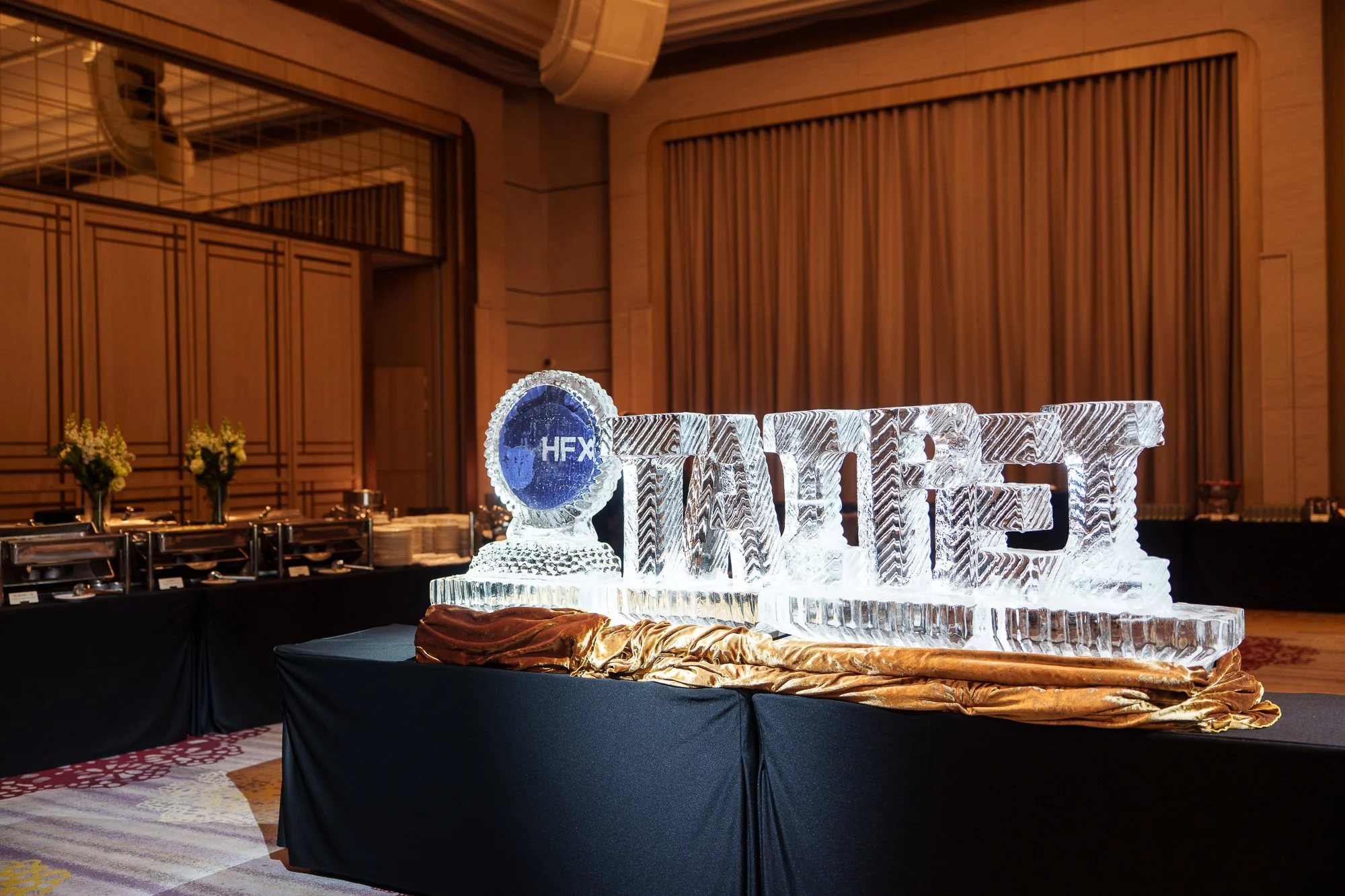
No global event producer operates alone; success depends on strong local partnerships.
These include:
- venue teams
- local vendors
- technical crews
- regulatory contacts
- on-the-ground coordinators
The strength of these networks determines how effectively an event can be executed in each market. But coordination is key. Local expertise must be integrated into a global framework, not operate independently of it.
Communication Across Time Zones and Teams
Global events operate around the clock.
Teams are often spread across regions, requiring:
- clear communication structures
- centralized documentation
- defined decision-making processes
- consistent reporting
Misalignment can happen quickly when teams are not synchronized. The best producers create systems that keep everyone connected regardless of location or time zone.
Final Thoughts: Elevating Global Event Production
Global event production is often viewed through the lens of logistics, but logistics are just the foundation.
What truly defines the best global producers is their ability to:
- align strategy across regions
- adapt to local nuance
- maintain consistency at scale
- manage complexity with precision
The goal isn’t just to execute events internationally, it’s to create experiences that feel intentional, relevant, and seamless, no matter where they happen.
Deliver Global Events That Actually Align
Global events require more than coordination; they require clarity, strategy, and control across every market.
At Stratus Firm, we partner with organizations to deliver international events that go beyond logistics. We work to align teams, translate experiences, and execute with precision across borders.
From global conferences to multi-country activations, we help ensure your events don’t just travel, they perform.