


Introduction
Stadiums were once built for game day. Today, they’re built for everything else.
Across the country, cities are rethinking how they use sports infrastructure not just as venues for competition, but as platforms for large-scale events, brand activations, policy convenings, and cultural moments.
From corporate summits on the field to galas in premium suites, these spaces are evolving into some of the most dynamic environments in modern event production.
And few cities illustrate this shift better than Washington, DC.
The Evolution of Sports Infrastructure
Modern sports venues are no longer single-purpose facilities. They are multi-use environments designed for flexibility, scale, and year-round engagement.
What’s changed?
- Stadiums now include premium hospitality spaces
- Arenas are designed with modular layouts
- Technology infrastructure supports broadcast and hybrid events
- Venues are built to accommodate everything from concerts to conferences
This evolution has created new opportunities, not just for teams and operators, but for organizations looking to host high-impact, high-visibility events.
Beyond Game Day: The Rise of Multi-Use Venues
Cities are investing heavily in sports infrastructure because it drives more than fan engagement; it drives economic activity, tourism, and brand exposure.
Venues that once sat idle between games are now activated for:
- Corporate meetings and leadership summits
- Nonprofit galas and fundraising events
- Brand activations and experiential marketing
- Policy forums and public convenings
- Entertainment and cultural programming
The result is a shift in mindset: sports venues are no longer destinations; they are platforms.
Washington, DC as a Model for Sports Venue Activation
Few markets are as uniquely positioned as Washington, DC.
The city sits at the intersection of:
- government and policy
- corporate leadership
- nonprofit advocacy
- global diplomacy
This creates a demand for event environments that can handle scale, visibility, and complexity simultaneously.
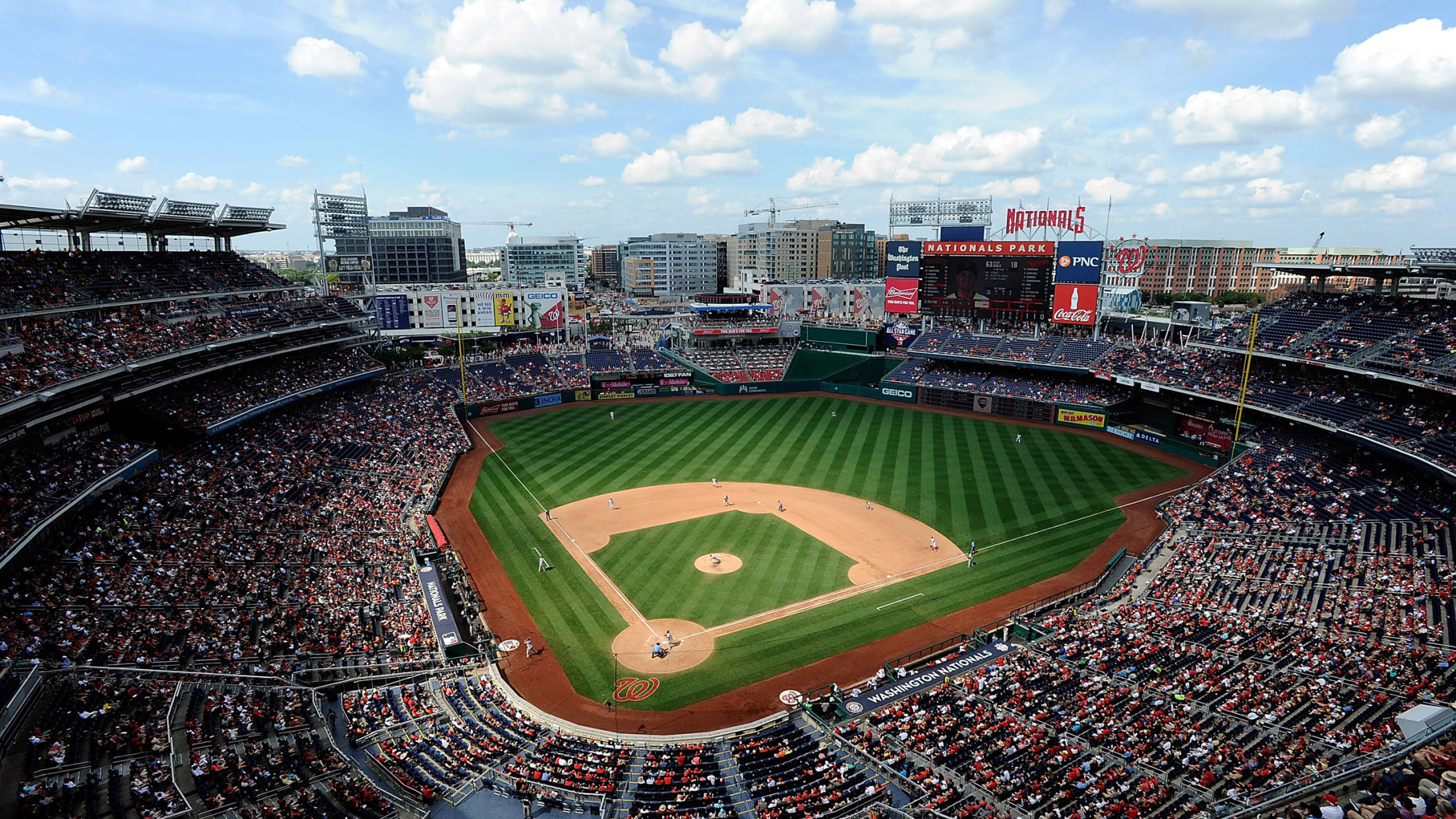
Venues like Capital One Arena, Nationals Park, and Audi Field are no longer just sports venues—they are hosts to:
- high-profile corporate events
- large-scale receptions
- broadcast-ready productions
- civic and policy gatherings
In DC, expectations are higher. Events must not only look impressive; they must operate seamlessly in environments where protocol, security, and perception matter.
Types of Events Driving Value in Sports Venues
The versatility of sports infrastructure allows organizations to think bigger about what their events can be.
Corporate Events
Leadership summits, client experiences, and product launches benefit from the scale and built-in prestige of stadium environments.
Nonprofit Galas
Large venues allow organizations to expand attendance while creating immersive fundraising experiences that feel elevated and impactful.
Brand Activations
Sports venues provide a natural energy that brands can tap into, combining audience engagement with experiential design.
Policy and Advocacy Events
In DC, sports venues are increasingly used for large convenings that bring together policymakers, stakeholders, and industry leaders.
Each of these event types leverages the same core advantage: the ability to create a sense of scale and significance.
The Role of Event Production in Activating Large Venues
Here’s the reality: Anyone can book a stadium. Very few can activate it effectively.
Large-scale venues introduce complexity that requires an intentional production strategy.
This includes:
- Managing long distances and guest flow
- Designing environments that feel cohesive despite scale
- Integrating lighting, audio, and video across large footprints
- Coordinating load-in, staging, and technical infrastructure
- Aligning multiple stakeholders, from venue teams to security partners
Without thoughtful production, these spaces can feel overwhelming or disconnected.
With the right approach, they become immersive, high-impact experiences.
Designing Experiences in Stadiums and Arenas
Designing for a ballroom and designing for a stadium are fundamentally different challenges.
In large venues, experience design must account for:
Scale
What feels impactful in a ballroom can feel lost in a stadium. Design elements must be amplified appropriately.
Sightlines
Guests may be spread across multiple levels or zones. Every seat, or standing position, needs to feel connected to the experience.
Movement
Crowd flow becomes a critical part of the design. Entry, transitions, and exits must feel intuitive.
Atmosphere
Lighting, sound, and scenic design must work together to create a cohesive environment across a large footprint.
In these environments, design is not decoration, it’s direction.
Economic and Brand Impact of Sports Infrastructure Events
Cities invest in sports infrastructure because it delivers measurable returns.
These events drive:
- Tourism and hotel occupancy
- Local vendor and workforce engagement
- Media visibility and national exposure
- Long-term brand association with the city
For organizations, the benefits are equally powerful.
Hosting an event in a stadium or arena can:
- elevate brand perception
- increase attendance capacity
- create memorable, shareable experiences
- align the event with a sense of scale and importance
When executed well, these events become more than gatherings; they become moments that resonate beyond the room.
Challenges and Considerations for Event Planners
With opportunity comes complexity.
Planning events in sports venues requires navigating:
Logistics at Scale
Long load-in times, complex layouts, and coordination across large teams.
Security and Protocol
Especially in markets like DC, where events may involve high-profile attendees or public visibility.
Technical Demands
Audio, video, and lighting systems must operate across larger, more complex environments.
Guest Experience
Ensuring that guests feel guided, comfortable, and engaged despite the size of the venue.
These challenges are not barriers, but they do require experience, foresight, and precision.
Final Thoughts: Turning Infrastructure Into Experience
Sports infrastructure is one of the most powerful assets a city can have.
But infrastructure alone doesn’t create impact.
Experience does.
Cities like Washington, DC are proving that when stadiums and arenas are paired with thoughtful programming and expert production, they become:
- economic engines
- cultural stages
- platforms for connection and influence
For organizations, the opportunity is clear:
Think beyond traditional venues.
Think beyond traditional formats.
Think about how scale, energy, and environment can elevate your event.