


Exclusivity isn’t created at the door; it’s created long before with the guest list. Invitation-only events are often perceived as premium, desirable, and impactful. But that perception doesn’t come from décor, catering, or even the venue. It comes from who is invited, and just as importantly, who is not. In these environments, the guest list is more than a tool for managing attendance. It is the foundation of the experience itself. Because when the room is right, everything else follows.
What Defines an Invitation-Only Event?
An invitation-only event is a curated gathering where attendance is limited to a select group of guests, chosen intentionally to align with the event’s purpose.
These events are common across:
- corporate leadership gatherings
- brand activations
- nonprofit donor experiences
- policy and advocacy convenings
- VIP receptions and private dinners
Unlike open-registration events, invitation-only formats prioritize alignment over volume.
The goal isn’t to fill the room. It’s to build the right one.

Why Exclusivity Drives Value
Exclusivity is often misunderstood as limitation. In reality, it’s about intentionality.
When access is curated:
- attendance becomes more meaningful
- engagement increases
- conversations become more relevant
- perceived value rises
Guests don’t just attend, they participate.
There’s a subtle but powerful shift when attendees know they’ve been specifically selected. It creates a sense of importance, presence, and expectation that elevates the entire experience.
The Psychology of a Curated Guest List
Invitation-only events tap into a simple psychological truth:
People value what feels rare, intentional, and aligned.
A curated guest list creates:
- Scarcity → which drives interest and demand
- Belonging → guests feel part of something specific
- Relevance → conversations feel tailored, not random
- Trust → attendees expect a certain level of quality in the room
This dynamic is especially important in environments where relationships matter, whether that’s corporate partnerships, donor engagement, or policy conversations.
The room itself becomes a signal.
Guest List Strategy: Quality Over Quantity
In invitation-only events, success is rarely tied to size. A smaller, well-curated group often delivers more value than a larger, less focused audience.
The key is to ask:
- Who needs to be in this room for the event to succeed?
- What perspectives are essential?
- Where can meaningful connections happen?
This approach shifts the mindset from “How many people should we invite?” to “What kind of room are we trying to create?” That distinction is where strategy begins.

Designing the Right Mix of Attendees
The most effective invitation-only events are not just selective, they are balanced.
A strong guest list often includes a thoughtful mix of:
- decision-makers and influencers
- industry or subject matter experts
- partners and stakeholders
- emerging voices or future leaders
The goal is to create a room where:
- conversations feel dynamic
- perspectives are complementary
- connections happen naturally
Too much sameness can limit engagement. Too much variation can dilute focus. The art is in the mix.
How Guest Lists Shape Experience and Energy
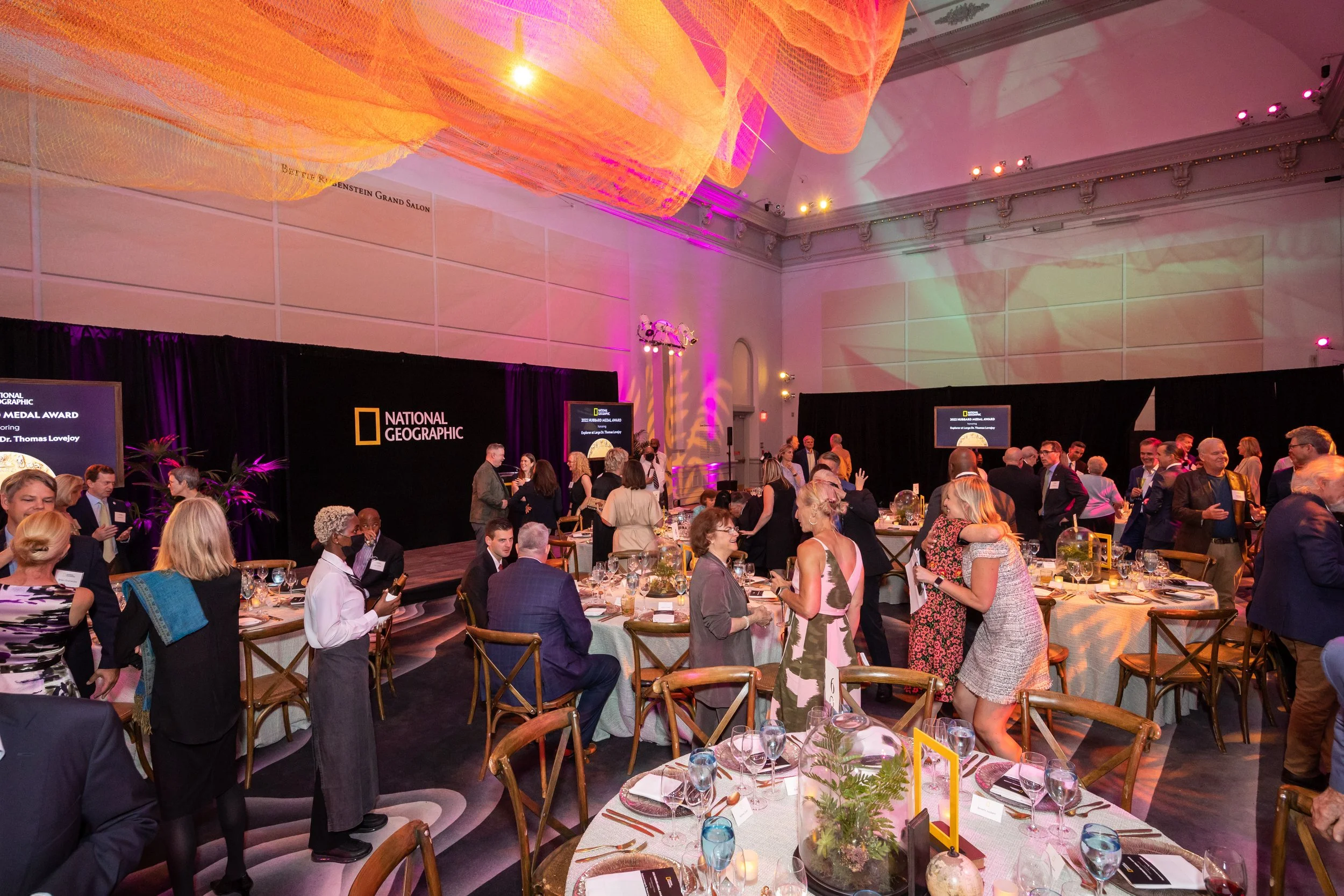
Event design often focuses on visuals, programming, and flow. But in invitation-only events, the guest list is the primary experience driver.
It determines:
- how people interact
- how conversations evolve
- how energy builds throughout the event
A well-curated room feels:
- connected
- intentional
- easy to navigate socially
Guests don’t have to search for value; it’s built into the room itself — this is what separates a well-attended event from a truly impactful one.
Invitation Strategy: The Experience Starts Early
In invitation-only events, the experience begins before guests arrive. The invitation itself sets the tone.
Consider:
- how the invitation is delivered (digital, printed, personal outreach)
- the language and framing
- the clarity of purpose
- the perceived exclusivity
A thoughtful invitation signals: “This event is intentional. And so is your presence.”
From that moment on, expectations are shaped.
Balancing Access and Exclusivity
One of the biggest challenges in invitation-only events is managing access.
Organizations often feel pressure to:
- expand the guest list
- accommodate additional stakeholders
- increase attendance
But exclusivity is fragile. Every addition to the guest list should be evaluated against the event’s purpose. This doesn’t mean being restrictive; it means being intentional.
The goal is not to exclude people. It’s to ensure that everyone included contributes to the experience.
Common Mistakes in Invitation-Only Events
Even well-designed events can lose impact through guest list missteps.
Over-Inviting
Expanding the list too broadly can dilute the experience and reduce engagement.
Misaligned Attendees
If guests don’t share a common purpose, conversations feel forced or fragmented.
Lack of Clarity
Guests should understand why they’ve been invited and what to expect.
Last-Minute Additions
Reactive changes can disrupt the balance of the room.
Avoiding these pitfalls requires discipline and a clear understanding of the event’s goals.
Final Thoughts: Designing Events People Want to Be In
The most memorable invitation-only events don’t feel exclusive because they’re limited. They feel exclusive because they’re intentional.
- Every guest has a reason to be there.
- Every interaction feels relevant.
- Every moment feels considered.
That’s not an accident. It’s the result of a guest list designed with purpose, because at the end of the day, the success of an event isn’t defined by how many people attend, it’s defined by what happens in the room.
Don’t Just Build a Guest List — Design the Room
Invitation-only events demand more than logistics. They require strategy, intention, and a clear understanding of how people, purpose, and experience intersect.
At Stratus Firm, we help organizations move beyond attendance and design events that feel curated, connected, and impactful, from the guest list to the final moment.
Whether you’re hosting a leadership gathering, brand experience, or high-profile convening, we help ensure the right people are in the room and that the room works.