


Live events look effortless when they’re done right.
Lights rise. Music swells. A speaker steps confidently onto stage. Videos roll seamlessly. Transitions feel natural. The audience leans in.
What most guests never see is the orchestration behind it all.
Live event production is the invisible engine powering conferences, galas, sporting events, summits, and high-profile public gatherings. It blends storytelling, logistics, technical precision, leadership, and real-time decision-making into a single, high-stakes moment.
From concept development to the final show call, here’s what really happens behind the scenes of live event production.
What Is Live Event Production?
Live event production is the strategic and technical process of designing and executing an event experience. It goes far beyond audiovisual equipment or staging.
It includes:
- Creative development
- Production design
- Technical planning
- Run of show development
- Vendor coordination
- Rehearsals
- Real-time show calling
- Post-event strike and reporting
In short, live event production transforms an idea into a fully realized, live experience. It is where strategy meets execution.
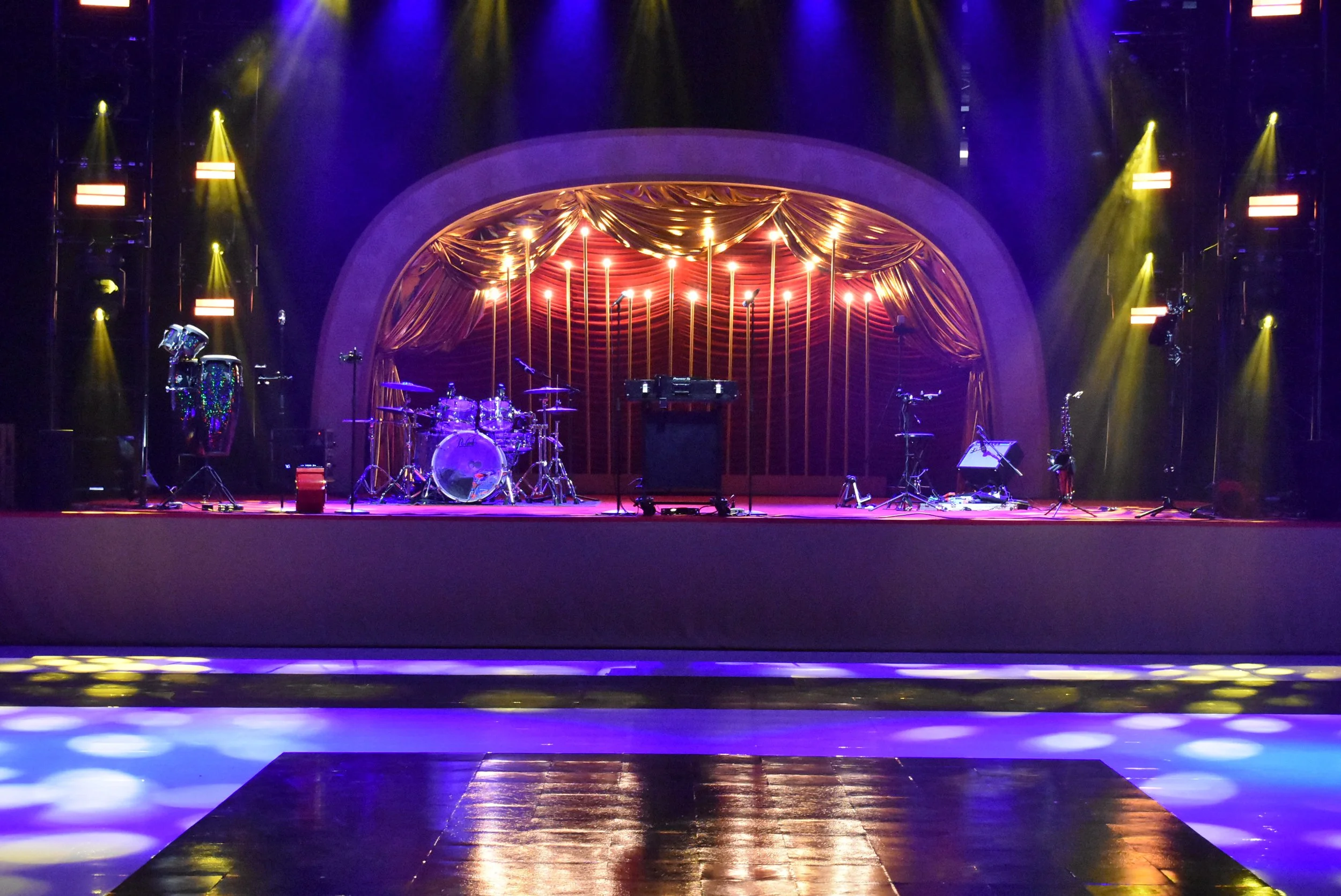
Phase 1: Concept Development and Creative Strategy
Every successful event begins with intention.
Before lighting plots or stage diagrams are created, production teams align on:
- Audience demographics
- Event objectives
- Brand positioning
- Emotional outcomes
- Key messages
This stage often includes:
- Creative briefs
- Mood boards
- Concept decks
- Experience mapping
The question guiding this phase isn’t “What will it look like?” It’s “How should it feel?”
Whether it’s a championship-level sporting event, a nonprofit gala, or a global summit, the experience must be cohesive. Production supports messaging, not the other way around.
Strong concept development ensures every lighting cue, scenic element, and sound design choice reinforces the story.
Phase 2: Technical Planning and Production Design
Once the vision is clear, technical execution begins. This is where live event production becomes deeply operational.
Production design includes:
- Stage layout and scenic design
- Lighting design and rigging
- Audio engineering
- LED walls and projection mapping
- Power distribution
- Video integration
- Broadcast and livestream planning
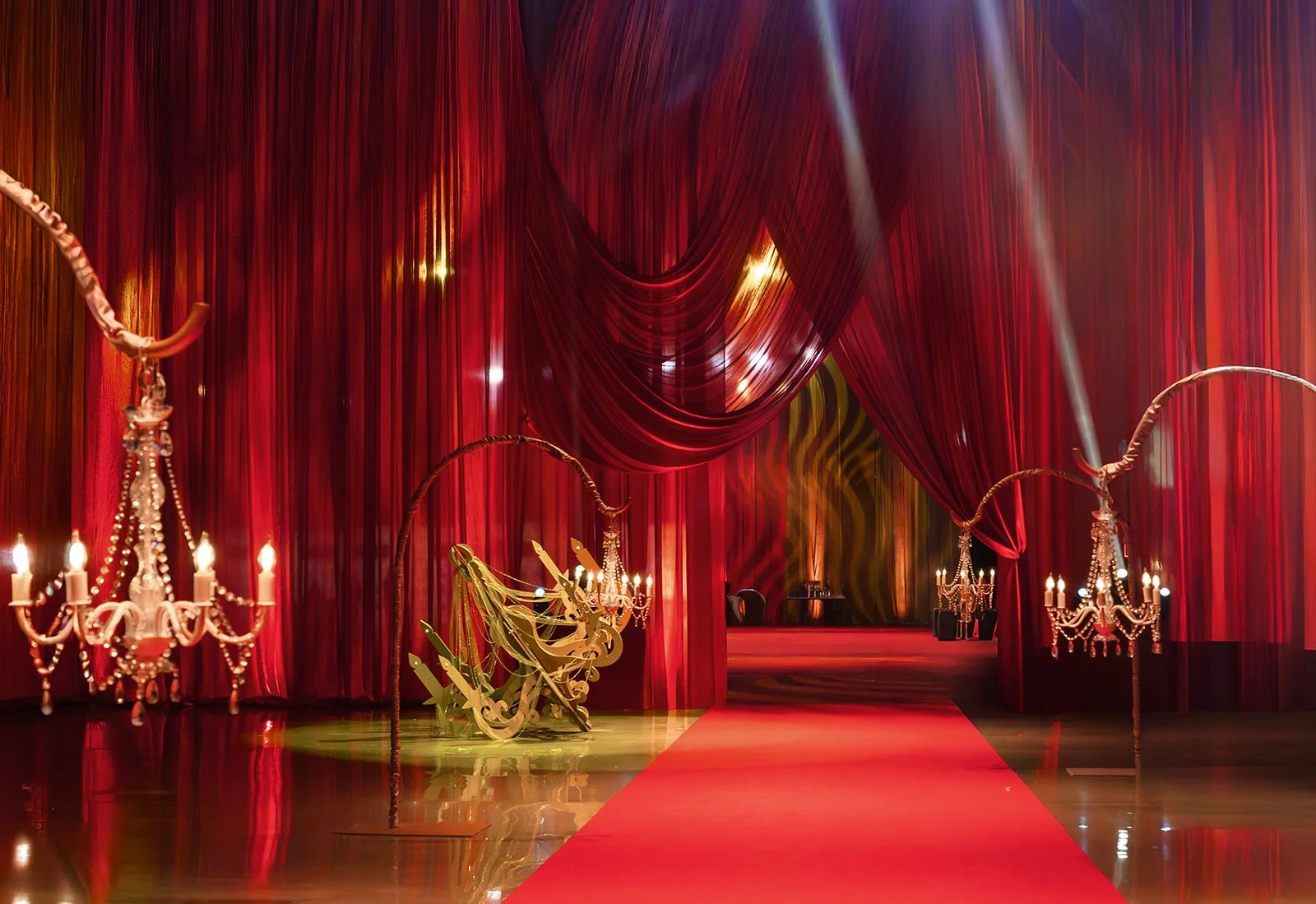
At this stage, teams consider:
- Venue limitations
- Ceiling heights and rigging points
- Load-in schedules
- Union labor requirements
- Security constraints
- Camera sightlines
Technical production is strategic.
For example:
- Lighting color temperature impacts how speakers appear on camera.
- Stage height affects audience engagement.
- Audio delay systems impact clarity in large venues.
- LED wall placement influences both in-room experience and broadcast framing.
Production decisions shape perception.
Phase 3: Building the Run of Show
The run of show is the backbone of live event production.
It is the master document that details:
- Speaker order
- Timing of every segment
- Video cues
- Lighting transitions
- Music cues
- Stage movements
- Opening and closing moments
A run of show often includes:
- Minute-by-minute timing
- Script excerpts
- Cue numbers
- Responsible parties
- Contingency notes
This document becomes the operational blueprint for show execution. Without a strong run of show, live events drift. With one, they flow. Momentum, pacing, and emotional rhythm are engineered at this stage.
Phase 4: Rehearsals and Show Calling
Rehearsal is where planning becomes performance.
Types of rehearsals include:
- Technical rehearsals
- Speaker rehearsals
- Full run-throughs
- Cue-to-cue sessions
This is when:
- Lighting levels are finalized
- Audio levels are balanced
- Video transitions are timed
- Stage blocking is refined
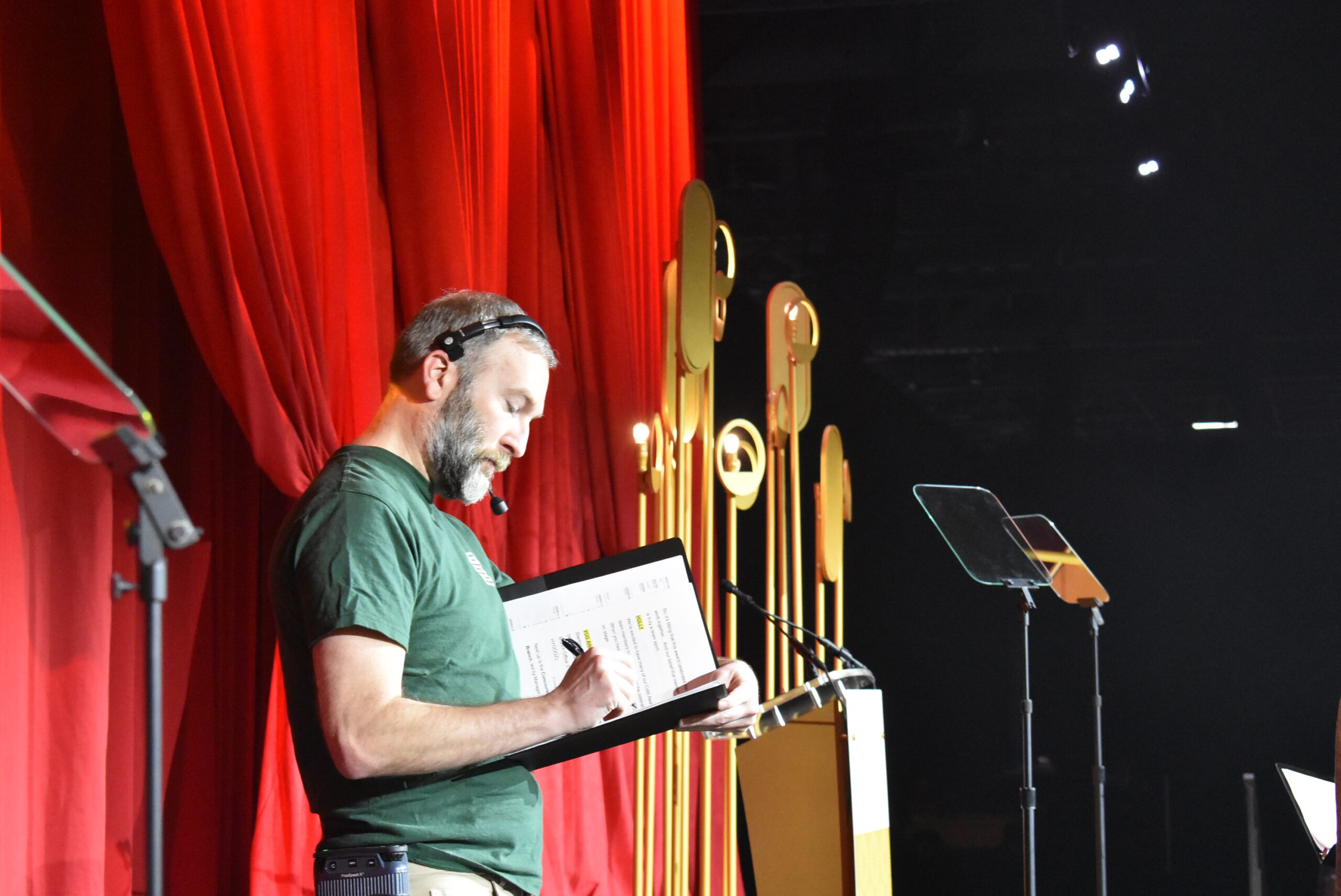
Then comes show call. The show caller is the conductor of the event.
From a headset in the production booth, they cue:
- “Standby lights 23.”
- “Roll video A in 3…2…1.”
- “Walk speaker.”
- “Go house lights.”
Show calling requires:
- Deep familiarity with the run of show
- Calm under pressure
- Real-time decision-making
- Constant communication
If a speaker runs long, a video fails, or the weather shifts unexpectedly, the show caller adapts instantly.
When done well, audiences never know adjustments were made.
The Role of the Event Production Team
Live event production is collaborative.
Key roles include:
Executive Producer – Oversees strategy and client alignment.
Technical Director – Manages all technical elements and vendor integration.
Show Caller – Executes cues in real time.
Stage Manager – Manages backstage logistics and talent flow.
Lighting Designer – Crafts visual atmosphere.
Audio Engineer – Ensures clarity and balance.
Video Director – Oversees content playback and broadcast integration.
Each role contributes to a unified outcome.
Production succeeds when teams operate as one system.
Common Production Challenges (and How Teams Solve Them)
Live events are dynamic. Challenges are inevitable.
Common production challenges include:
- Last-minute script changes
- Delayed talent arrivals
- Weather disruptions
- Power issues
- Security adjustments
- Crowd flow concerns
Experienced teams anticipate variability.
They build:
- Redundancy into systems
- Backup media servers
- Alternative cue pathways
- Surge staffing plans
- Contingency timelines
Professional production isn’t about avoiding problems. It’s about solving them invisibly.
Why Seamless Production Creates Memorable Experiences
Audiences rarely remember technical details.
They remember how an event made them feel.
Seamless production creates:
- Confidence
- Emotional immersion
- Momentum
- Trust
- Professionalism
When production falters, audiences disengage. When production flows, messaging resonates.
Live event production is not just technical execution. It is experience architecture.
The Strategic Advantage of Professional Live Event Production
High-visibility events carry zero margin for error.
In championship sporting events, political convenings, nonprofit galas, and corporate summits alike, perception matters.
Strong production ensures:
- Brand integrity
- Broadcast-ready visuals
- Smooth crowd flow
- Cohesive storytelling
- Sponsor satisfaction
- Stakeholder confidence
Precision under pressure defines elite production teams.
Turning Vision Into Live Impact
Behind every seamless event is a layered production strategy built on expertise, anticipation, and calm leadership.
From first concept sketch to final show call, live event production transforms ideas into cultural moments.
At Stratus Firm, we approach live event production as both art and architecture. We integrate creative storytelling with technical precision to produce high-stakes events that inspire confidence and leave lasting impressions.
Whether you’re producing a national summit, a stadium-scale sporting event, or a mission-driven gala, our team brings clarity, coordination, and championship-level execution.