


High-profile guests bring prestige, visibility, and influence — but they also add layers of complexity to event planning. When dignitaries, celebrities, corporate executives, or major donors are in attendance, every detail matters. The margin for error disappears.
That’s where the VIP advance comes in — the behind-the-scenes process that ensures your top guests experience an event that feels effortless, elegant, and entirely seamless.
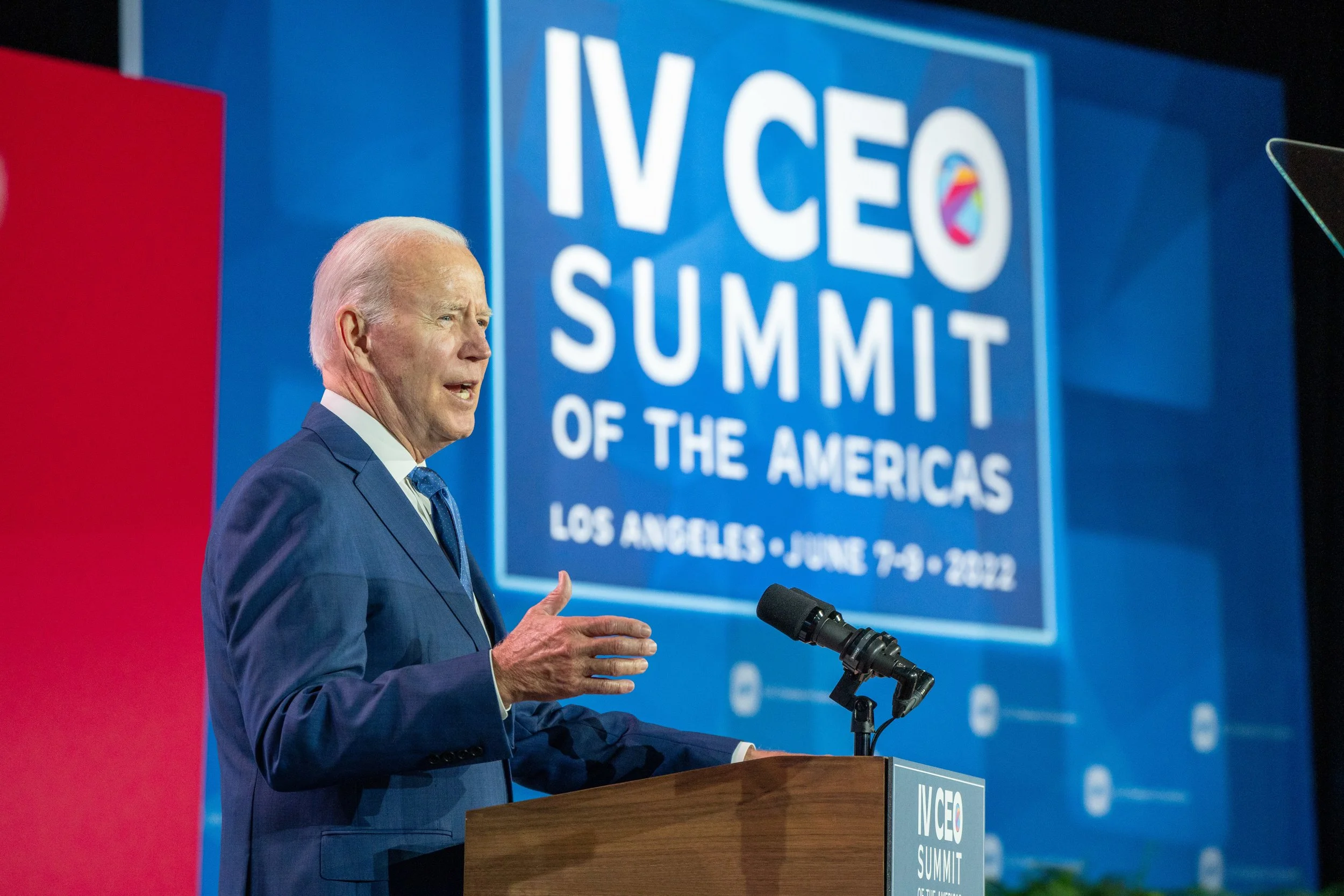
At Stratus Firm, we’ve managed VIP experiences at some of the most high-stakes events in Washington, D.C. and beyond — including occasions with the President and Vice President of the United States, high-ranking diplomats, and global industry leaders. The key to success every time? Preparation, precision, and discretion.
Here’s your complete guide to mastering the art of the VIP advance.
What Is a VIP Advance?
A VIP advance is the detailed planning process that anticipates every need and movement of a high-profile guest — from the moment they step out of the car to the moment they leave the venue.
Originally a term from the political and diplomatic world, “advance” refers to the groundwork laid by staff before an official visit. In event planning, it’s now standard practice for galas, summits, and corporate gatherings hosting executives, celebrities, or donors.
The Purpose of a VIP Advance
- Anticipate needs — dietary restrictions, mobility requirements, and personal preferences.
- Coordinate logistics — travel routes, holding rooms, security, and timing.
- Reduce risk — by addressing potential issues before they happen.
- Elevate experience — creating a smooth, comfortable, and respectful environment.
Unlike general guest planning, a VIP advance is proactive, not reactive. The goal isn’t just to respond to issues — it’s to ensure they never happen in the first place.
Why VIP Experiences Require Extra Planning
A standard event is about flow. A VIP event is about precision.
Higher Stakes, Higher Expectations
When high-profile guests attend, the spotlight widens. Mistakes — even minor ones — are magnified. A disorganized check-in, missed dietary note, or delayed motorcade can damage relationships and reputations, so be cautious and proceed with calm to avoid costly mistakes.
Schedules and Security Are Non-Negotiable
VIPs often have packed itineraries, tight travel windows, and strict protective protocols. A delay of even five minutes can impact an entire day of appearances or disrupt coordination with security teams.
Personalization and Privacy Matter
VIP guests expect efficiency, but they also value discretion and comfort. The goal is to make every interaction feel personal yet professional — warm, but never intrusive.
When handled correctly, the VIP experience reflects not just excellence in logistics, but the values and professionalism of the host organization.
Step 1: Pre-Event Research and Coordination
The foundation of every flawless VIP experience begins long before the event itself.
Identify VIPs Early
As soon as your guest list begins to form, identify individuals or delegations who will require VIP treatment. These might include:
- Elected officials or diplomats
- Celebrities or public figures
- Major donors or sponsors
- Corporate executives or board members
Do Your Homework
Gather essential details:
- Preferred forms of address (honorifics, titles)
- Dietary restrictions or allergies
- Accessibility or mobility needs
- Cultural or religious considerations
- Personal preferences (arrival order, seating placement, photo protocol)
Coordinate with Advance Teams or Aides
For government officials or executives, you’ll often work with designated staff. Establish clear communication early — exchange contacts, confirm arrival times, and align on expectations.
Create a VIP Briefing Packet
Summarize all information in a discreet, accessible format for key team members. Include:
- Contact sheet
- Timeline and movement plan
- Security and protocol notes
- Maps and floor plans
- Contingency plans
This document becomes your team’s master playbook on event day.
Step 2: Security, Protocol, and Logistics
No VIP plan is complete without meticulous attention to safety, logistics, and etiquette.
Coordinate with Security Agencies
Work hand-in-hand with security professionals. Depending on your guest list, this may include:
- Secret Service (for U.S. officials)
- Private security details
- Venue and local law enforcement
Establish credentials and command structures early. Schedule pre-event walk-throughs with all security stakeholders to review routes, access points, and holding areas.
Map VIP Movement
Visualize the guest journey:
- Motorcade or car arrival route
- Drop-off and pick-up zones
- Secure holding rooms or lounges
- Stage access or speaking paths
- Private exits
Each transition should feel seamless and friction-free — no long waits, no confusion, no unnecessary exposure.
Respect Protocol and Cultural Norms
Diplomatic and political guests often require adherence to specific formalities:
- Proper flag placement and national order
- Order of introductions and seating precedence
- Gender and cultural customs during greetings
When in doubt, consult with the guest’s protocol office or cultural liaison. Mistakes in decorum can be just as damaging as logistical failures.
Plan for Contingencies
Always have backup routes, schedules, and contacts ready. Power outage? Have a generator. Flight delayed? Have a revised timeline. Plan for the hiccups that happen along the way.
Step 3: Designing a Smooth Guest Journey
The most memorable VIP experiences are not the flashiest — they’re the smoothest. Every moment should feel intuitive, calm, and considered.
Arrival: The First Impression
Your goal: transition your VIP from arrival to event engagement with zero stress.
- Assign a dedicated escort or point of contact.
- Use discreet signage or coded labels (avoid “VIP” in plain sight).
- Provide immediate wayfinding and hospitality.
For motorcades, coordinate drop-off timing with valet or security to ensure privacy and flow.
Comfortable Holding Spaces
Whether you call it a green room or a VIP suite, the space should reflect thoughtfulness:
- Soft seating, water, and refreshments
- Discreet signage or branding
- Private restrooms if possible
- Real-time event updates or monitors
Seamless Transitions
The movement between spaces — from lounge to stage to reception — should feel choreographed but natural. Assign staff to shadow key guests, quietly facilitating timing and cues.
Pro tip: rehearse transitions with stage managers and security to avoid awkward delays during live programming.
Departure: The Final Impression
End as strong as you began. Ensure coats, transportation, and exits are ready before your guest signals departure. Avoid crowd bottlenecks by using dedicated exits and private load-out areas.
The last moment guests experience should reinforce confidence in your professionalism — calm, coordinated, and gracious.

Step 4: Communication and Staff Training
Even the most detailed plan can fail without clear communication. Every person involved in the VIP experience — from greeters to production crew — must understand their role and chain of command.
Run Pre-Event Briefings
Gather all relevant staff and vendors for a structured briefing. Review:
- The full VIP timeline and arrival sequence
- Security coordination and access control
- Talking points, greetings, and etiquette
- Emergency protocols and communication lines
Provide printed quick sheets or digital access to key notes for fast reference.
Assign Roles and Redundancy
Designate one person as the VIP lead — the point of contact who coordinates directly with aides or security teams.
- All information should flow through this individual.
- Assign backups for each role in case someone is delayed or unavailable.
Train for Tone and Professionalism
Your staff is part of the experience. They should project confidence, warmth, and composure — even under pressure. Remind them:
- Avoid asking for photos or autographs.
- Address VIPs formally unless told otherwise.
- Anticipate needs before being asked.
A calm, polished demeanor builds trust — and that trust keeps everything running smoothly.
Step 5: Handling Surprises with Discretion
Even the most well-executed plan encounters surprises. A flight delay. A spontaneous photo op. A last-minute seating change.
The true test of a great VIP advance is not perfection — it’s invisible recovery.
Stay Flexible
Always keep communication lines open between stage management, security, and the VIP team. Use secure group chats or radio channels to share real-time updates.
If plans change, reroute quietly. The goal is to keep adjustments unseen by the guest.
Keep Your Cool
In the VIP world, calm is contagious. When things go wrong, avoid broadcasting stress. Quietly assess, delegate, and act.
Protect Privacy at All Costs
Whether it’s a celebrity, political figure, or executive, privacy is non-negotiable.
- Limit photo or video access.
- Keep personal preferences and details confidential.
- Maintain tight control over credentialed personnel in private areas.
Your ability to handle surprises discreetly builds the reputation that gets you trusted for even higher-profile opportunities.
Case Study: VIP Management at High-Profile Events
1. Congressional Black Caucus Foundation Phoenix Awards
Each year, the Phoenix Awards Dinner brings together the President, Vice President, Cabinet members, and thousands of distinguished guests. Stratus Firm manages the advance and execution in partnership with the Secret Service, venue security, and production teams.
The challenge: balancing presidential-level protection with elegance and hospitality. From motorcade routing to seating precedence, every movement is pre-planned — yet designed to feel effortless to attendees.
The result: a dignified, seamless experience worthy of the nation’s top leaders.
2. Bozzuto Management Awards
For this annual corporate gala, Stratus Firm manages executive-level VIPs, including the CEO, senior leadership, and partners. The experience includes dedicated arrival pathways, private rehearsal briefings, and carefully timed moments of recognition.
The result: an elevated, brand-aligned event that honors leadership while maintaining smooth flow and impeccable hospitality.
3. Embassy and Diplomatic Events
For international events hosted in Washington, D.C., Stratus ensures protocol precision and cultural respect — from national flag placement to multilingual guest signage. Working with embassies and foreign delegations, we create welcoming experiences that honor both host and guest traditions.
These case studies demonstrate one truth: the best VIP experiences look effortless because every moment has been rehearsed, coordinated, and quietly controlled behind the scenes.
The Art of VIP Advance
The perfect VIP experience is invisible. When done well, it feels natural — as though every door opens at the right moment, every greeting is perfectly timed, and every request is already anticipated.
Behind that illusion is the art of VIP advance:
- Precision in logistics.
- Discretion in delivery.
- Empathy in service.
By combining these three qualities, event planners can create environments where high-profile guests feel not just accommodated — but truly valued.
At Stratus Firm, we specialize in VIP event management for galas, summits, and political or corporate gatherings where stakes are high and first impressions matter. Our approach combines military-grade organization with hospitality-level grace — ensuring every VIP moment reflects the excellence of the event and the integrity of the host.